Moscow
Overview

Russian Ruble |

55.751244, 37.618423 |

Russian |
One of the world's great cities, Moscow (Russian Moskva) is the capital of Russia. Since it was first mentioned in chronicles of 1147, Moscow has played a vital role in Russian history; indeed the histories of the city and of the Russian nation are closely interlinked. Today Moscow is not only the political centre of Russia but also the country's leading city in population, in industrial output, and in cultural, scientific, and educational importance. With its stunning architecture, affinity for arts and theater, and pronounced history, Moscow is a city unmatched in its beauty. Its 417 square miles are packed with peaceful residential neighborhoods, mammoth museums, bustling financial districts, and onion domed cathedrals.
Places to Go
Moscow Kremlin Museums
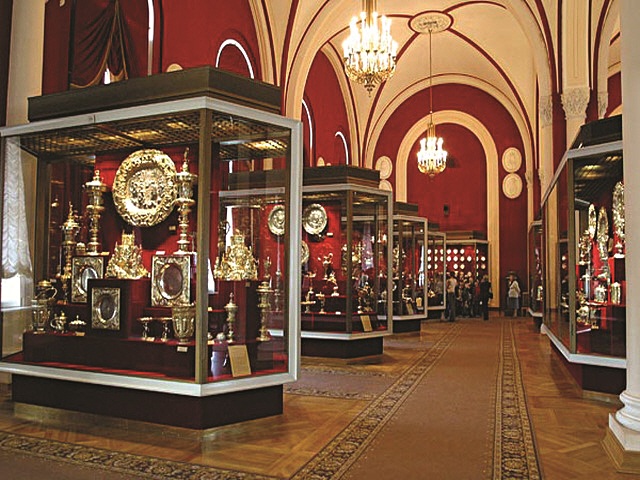
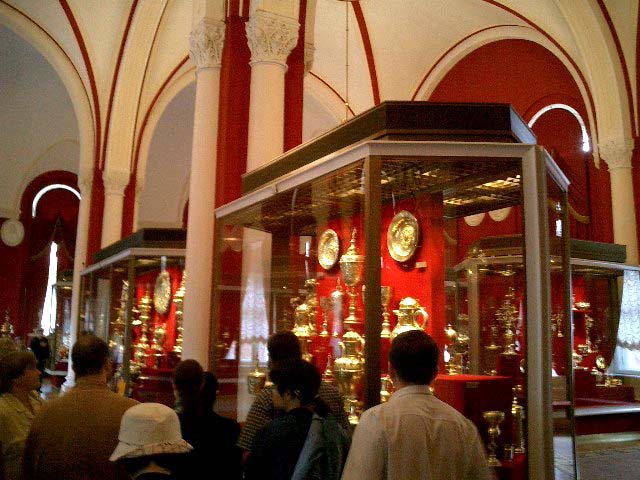
The Moscow Kremlin is considered to be a symbol of the Russian statehood. The Kremlin hill became the main sightseeing of Moscow. The architectural ensemble “The Moscow Kremlin” is included into the UNESCO List of World Cultural and Natural Heritage. The Moscow Kremlin is a complex of different cathedrals, palaces and museums, which can be divided into 4 main categories: Kremlin Museums and Territory, Grand Kremlin Palace Complex, State Kremlin Palace and Presidential and Administrative Buildings.



Saint Basil’s Cathedral
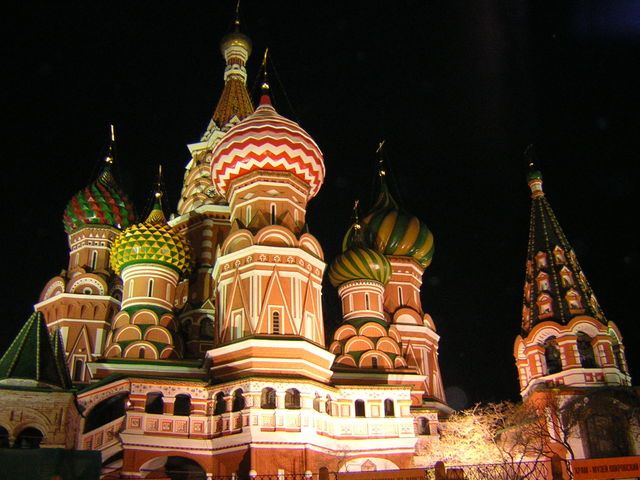
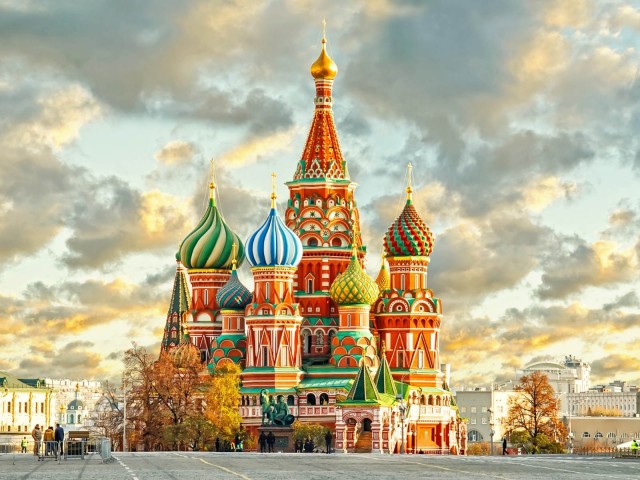
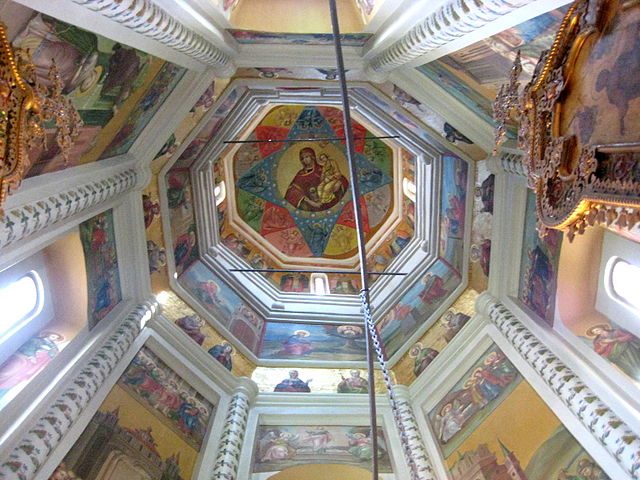
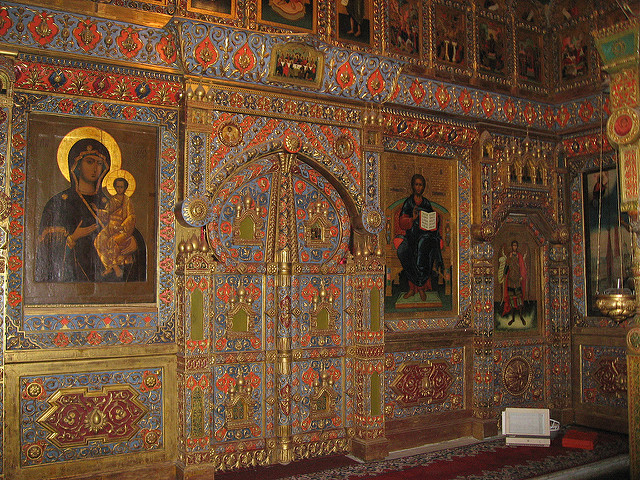
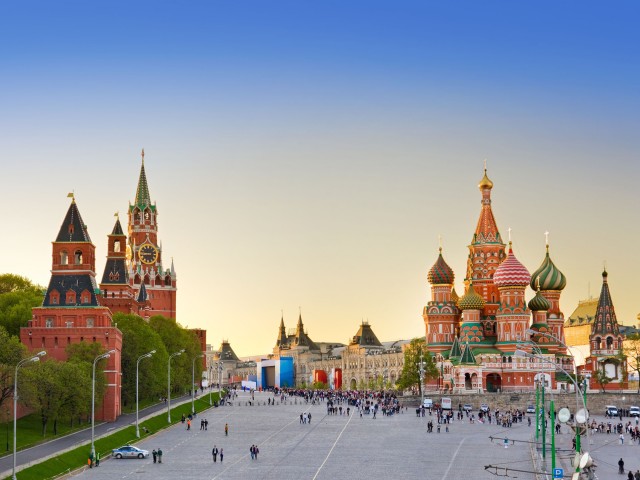
Dedicated to the protection of the Virgin Mary, the church is officially known as the Church of the Intercession, or the Cathedral of the Intercession of the Virgin on the Moat. It has also been called Pokrovsky Cathedral, Pokrovsky Sobor, and Svyatoy Vasily Blazhenny. The popular alternative refers to Basil the Blessed, a Muscovite 'holy fool' who was buried on the site (in the Trinity Cathedral that once stood here) a few years before the present building was erected. Architectural specialists are to this day unable to agree about the governing idea behind the structure. Either the creators were paying homage to the churches of Jerusalem, or, by building eight churches around a central ninth, they were representing the medieval symbol of the eight-pointed star. The original concept of the Cathedral of the Intercession has been hidden from us beneath layers of stylistic additions and new churches added to the main building. In fact, when built, the Cathedral was all white to match the white-stone Kremlin, and the onion domes were gold rather than multi-colored and patterned as they are today.
Red Square
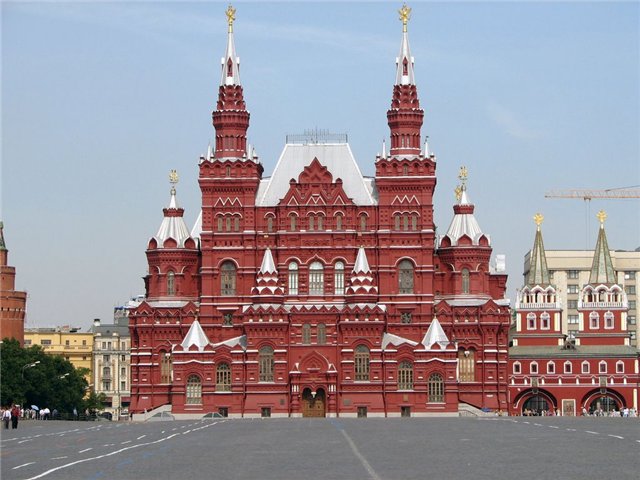
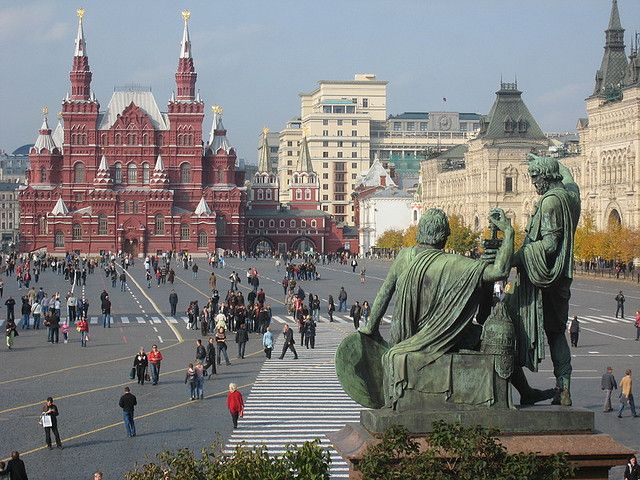
Red Square began life as a slum, a shanty town of wooden huts clustered beneath the Kremlin walls that housed a collection of peddlers, criminals and drunks whose status left them outside the official boundaries of the medieval city. Built directly east of the Kremlin, Moscow’s historic fortress and the center of the Russian government, Red Square is home to some of the country’s most distinctive and important landmarks. Its origins date to the late 15th century, when the Muscovite prince Ivan III (Ivan the Great) expanded the Kremlin to reflect Moscow’s growing power and influence. An important public marketplace and meeting place for centuries, Red Square houses the ornate 16th-century St. Basil’s Cathedral, the State Historical Museum and the enormous GUM Department Store, as well as a modernist mausoleum for the revolutionary leader Vladimir Lenin. During the 20th century, the square became famous as the site of large-scale military parades and other demonstrations designed to showcase Soviet strength.


Must Try Food