
Saint Petersburg
Overview

Russian Ruble |

27.773056, -82.639999 |

Russian |
It’s well known that St Petersburg isn’t a cheap destination, and most of its entertainment comes with a price tag. But there are still many attractions you can enjoy for free. From St Petersburg’s elegant parks and sprawling flea markets to stunning Orthodox cathedrals and cutting-edge art galleries, there’s something for every penny-pinching traveler. St. Petersburg is known for its thousands of beautifully preserved historic buildings of a rich architectural mix. Commissioned by Tsar Peter the Great (1672–1725) as "a window looking into Europe," St. Petersburg is a planned city whose elegance is reminiscent of Europe's most alluring capitals. Little wonder it's the darling of fashion photographers and travel essayists today: built on more than a hundred islands in the Neva Delta linked by canals and arched bridges, it was called the "Venice of the North" by Goethe, and its stately embankments are reminiscent of those in Paris.
Places to Go
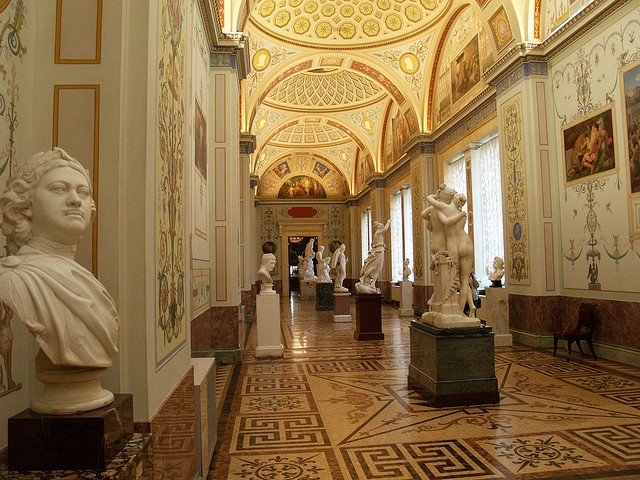
Hermitage Museum
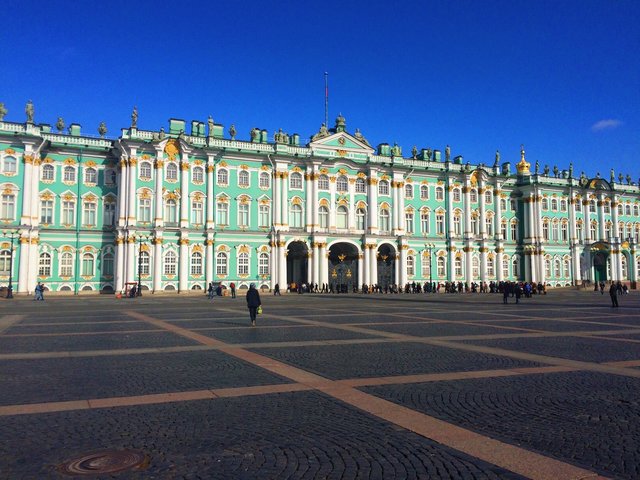
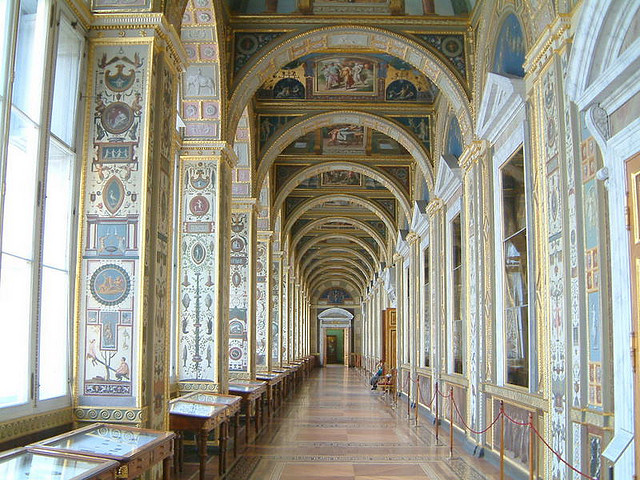
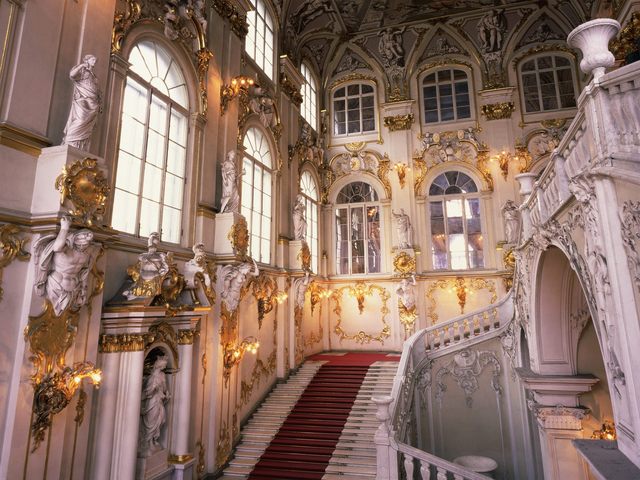
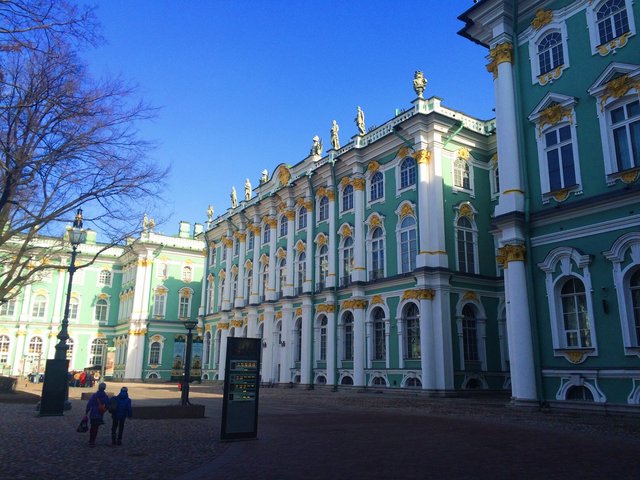
The Hermitage is a former palace, used as a museum. With the addition of the general staff building, the Hermitage gained 800 rooms to the existing 1,200. The Hermitage and its surroundings is becoming an urban quarter, incorporating the palace square where the revolution started. St. Petersburg's is the most popular visitor attraction, and one of the world's largest and most prestigious museums, the Hermitage is a must-see for all first-time travelers to the city. With over 3 million items in its collection, it also definitely rewards repeat visits, and new-comers can only hope to get a brief taste of the riches on offer here, from Impressionist masterpieces to fascinating Oriental treasures.
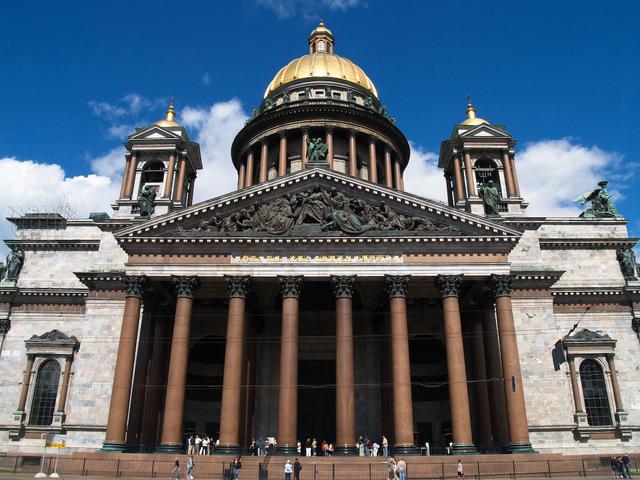
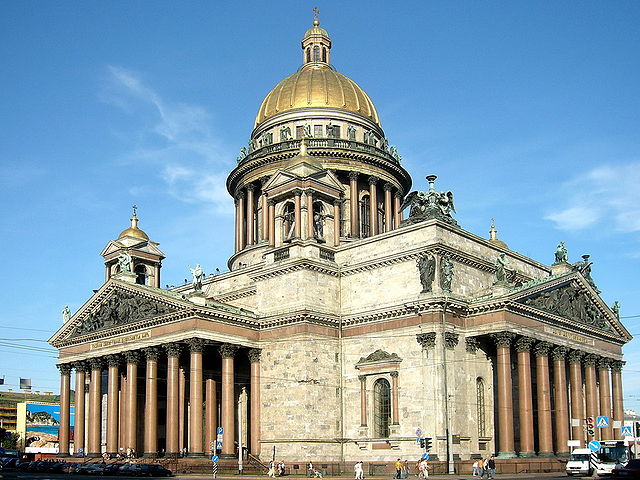
Saint Isaac Cathedral
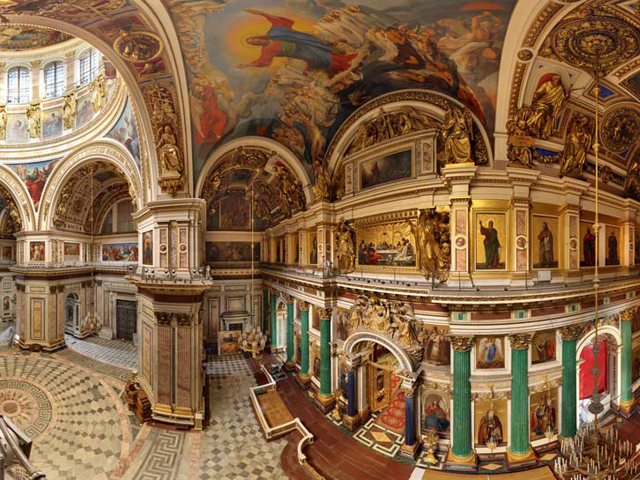
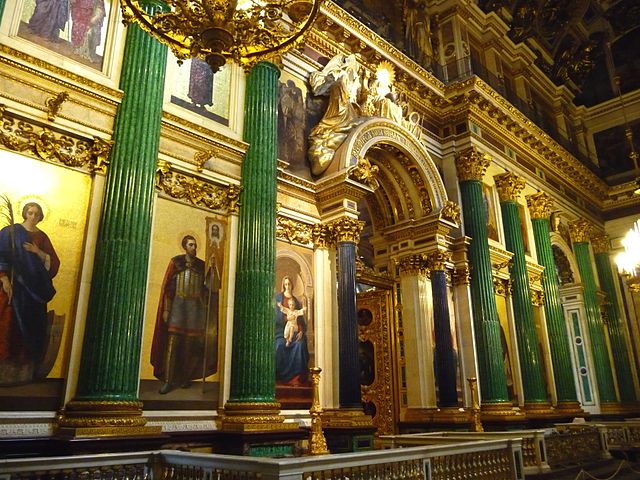
Ostentatious, extravagant and excessive are words that could and probably should be used in describing features of this massive construction, originally designed as the world's largest Orthodox Cathedral. Long before this lavishly decorated building was opened to the public in 1858, St. Isaacs' already had a most unusual history. St. Isaac's Cathedral was originally the city's main church and the largest cathedral in Russia. It was built between 1818 and 1858, by the French-born architect Auguste Montferrand, to be one of the most impressive landmarks of the Russian Imperial capital. One hundred and eighty years later the gilded dome of St. Isaac's still dominates the skyline of St. Petersburg. Although the cathedral is considerably smaller than the newly rebuilt Church of Christ the Savior in Moscow, it boasts much more impressive fades and interiors. The golden dome of St Isaac’s Cathedral dominates the St Petersburg skyline. Its obscenely lavish interior is open as a museum, although services are held in the cathedral on major religious holidays. Most people bypass the museum to climb the 262 steps to the kolonnada (colonnade) around the drum of the dome, providing superb city views.

Church of the Savior on Blood
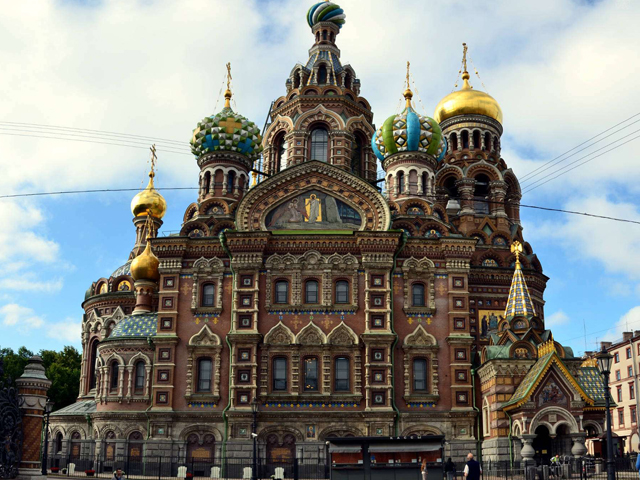
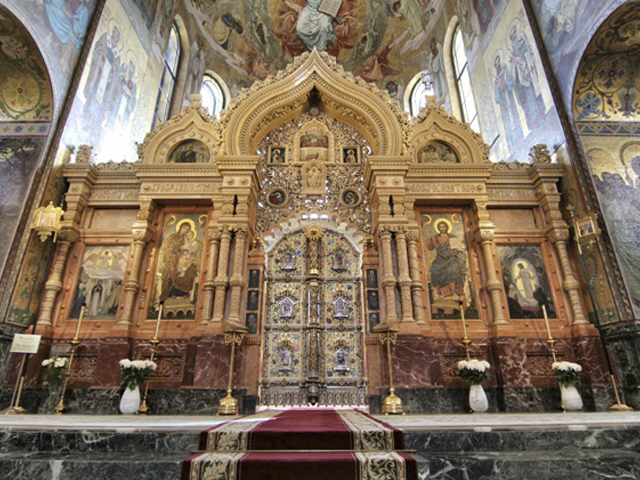
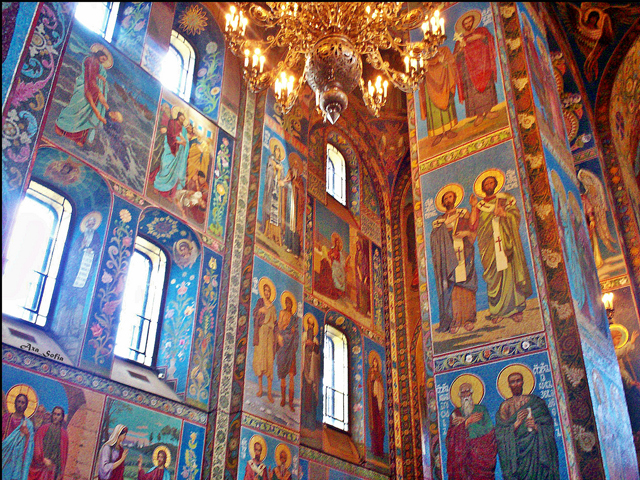
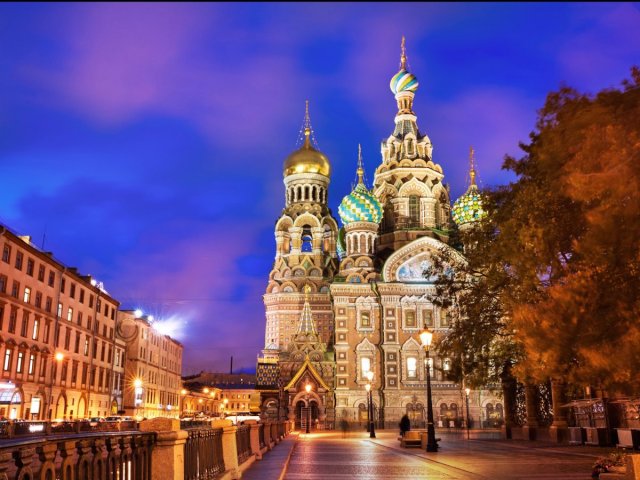
This five-domed dazzler is St Petersburg’s most elaborate church with a classic Russian Orthodox exterior, and an interior decorated with some 7000 sq m of mosaics. Officially called the Church of the Resurrection of Christ, it’s far more striking colloquial name references the assassination attempt on Tsar Alexander II here in 1881. This marvelous Russian-style church was built on the spot where Emperor Alexander II was assassinated in March 1881. After assuming power in 1855 in the wake of Russia's disastrous defeat in the Crimean war against Britain, France and Turkey, Alexander II initiated a number of reforms. In 1861 he freed the Russian serfs (peasants, who were almost enslaved to their owners) from their ties to their masters and undertook a rigorous program of military, judicial and urban reforms, never before attempted in Russia. However, during the second half of his reign Alexander II grew wary of the dangers of his system of reforms, having only barely survived a series of attempts on his life, including an explosion in the Winter Palace and the derailment of a train. Alexander II was finally assassinated in 1881 by a group of revolutionaries, who threw a bomb at his royal carriage.

Must Try Food